This is not an advert for activism, nor a call to arms. I was younger then, things were different. But when I say my life changed forever, I mean this. I understood that I could take up space. I felt in my body what it was to be in touch with my agency, my own power. That feeling, of course, sometimes gets lost in the noise of life. But I had tasted it, and I have never let it go.
Psychotherapist in Shoreditch — About Andrew Tobert
Am I the therapist for you?
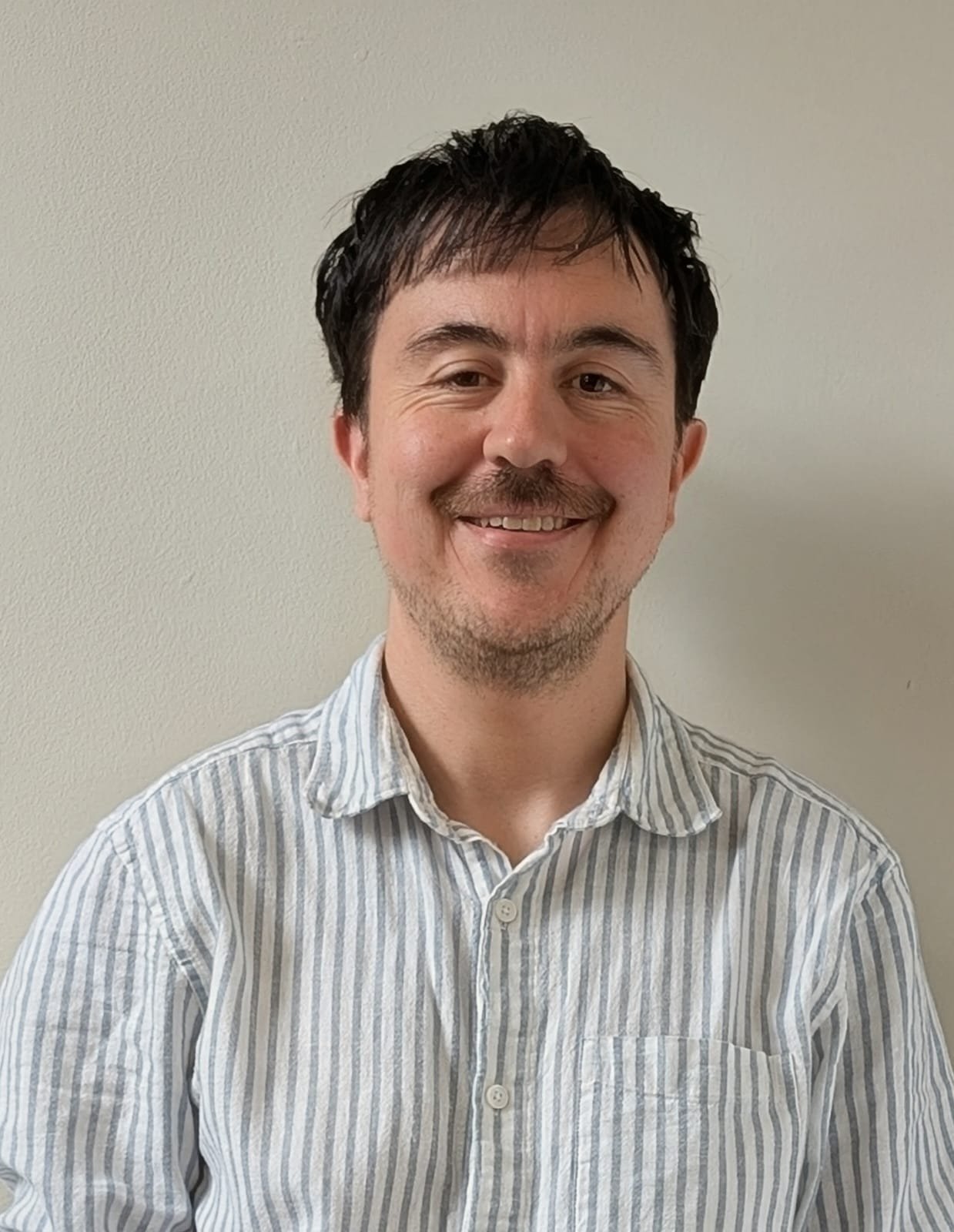
When I moved to London, I was looking for something, but I didn’t know what. I had friends, a decent career but something felt empty.
Then I found activism.
Activism — leaflets, protests, chaining yourself to stuff — is not sexy. There are meetings, late nights, agenda items. Circling back. Then I got arrested. And my life changed forever.
Being arrested was, for me, like a jolt of electricity. My body fizzed. I felt alive. I felt powerful.
And I realised, I’d never felt that way before.
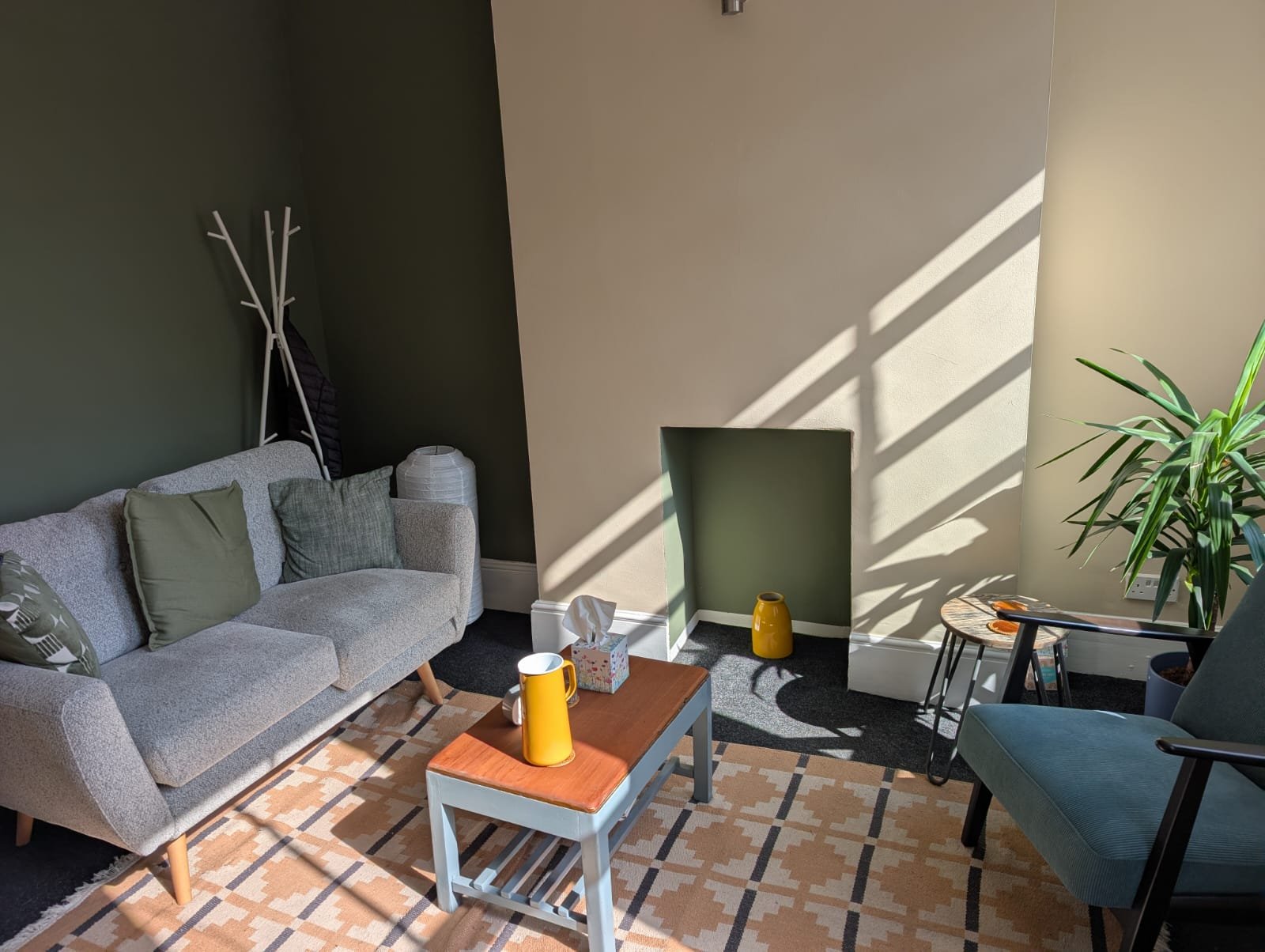
How activism shapes my work as a psychotherapist
This same story shows up in client after client. Not the same details, of course, or even the same politics. But that sense of feeling invisible, like they need to hide or make themselves smaller. They can do what’s expected of them by their partners, their kids or their employer, but not by themselves.
They are the only person they cannot say yes to.
This is why I became a therapist and this is what I do. Together, with clients, we work on what it might be like to let yourself be seen, fully, by others and by yourself.
I do not know, at this stage, the contours of your life, the moments of joy and your experiences of pain. But if you notice that you struggle to speak up, to make your weight felt, to sit with someone’s pain without needing to fix it — I think we’d work well together.
Credentials, training, all that.
Therapists’ qualifications are a bit like wine labels. For most people, the words used don’t mean much and fail to answer the key question of ‘will I like this’. But let me try.
Psychotherapists, therapists and counsellors are not protected terms in the UK, so anyone can call themselves whatever they like. Most therapists are part of a membership body. These make sure that therapists are qualified and practise ethically. It’s not a perfect system, but you should insist that your therapist is part of one. I am part of BACP (and UKCP, pending). Phew.
There are also different levels of qualification, from level 3 to level 7. I have a MA in Integrative Psychotherapy from the Minster Centre — that’s level 7. That took 6 years. There’s another system called SCoPeD, which groups qualifications into A, B and C. I sit at level C, the highest tier. And I’ve been practising since 2022.
I am a relational integrative therapist. Relational means that I believe all of us are healed (and hurt) in relationship. How you and I relate to each other can therefore illuminate and heal. Integrative means that rather than rely heavily on one tradition or modality, I bob and weave between them. If the person doesn’t fit the framework, we should change the framework.
“Andrew is an empathetic and attuned therapist. He challenges you in ways which allow you to reflect on yourself in a warm non-judgmental environment. I would not hesitate in endorsing him as an ethical person who is thoroughly committed to his clients.”
Are you ready to begin?
Book a free 15 minute call today.
P.S. I was on Radio 4 talking about burnout. It might give you a sense of me. Listen here.