
Finding a therapist who understands the complexities of LGBT life can be difficult. You might be looking for a space where you do not need to explain your identity, defend your relationships, or worry about being misunderstood. Perhaps you are navigating questions of sexuality or gender, or simply want to explore how your experiences have shaped who you are today.
LGBT-friendly therapy in London offers a confidential and affirming space to explore what it means to be yourself. It is not about labels or assumptions but about making sense of your story - the challenges, the resilience, and the quiet moments of discovery that have brought you here.
What Is LGBT-Friendly Therapy?
LGBT-friendly therapy recognises the particular pressures and experiences that can affect people in the LGBT community. It offers an environment where identity is accepted as part of you, not something to be explained or justified.
As an LGBT-friendly therapist in London, I take an integrative approach, drawing on psychodynamic, humanistic and mindfulness-based methods. This means our sessions can explore both the external and internal worlds - how society, family and relationships shape your inner landscape, and how you make sense of that within yourself.
You might want to talk about anxiety, depression, loss, identity, intimacy, or the ongoing effects of discrimination or rejection. Or you may simply want to slow down and take time to understand yourself more deeply. Therapy allows that exploration to happen at your own pace.
Signs You Might Benefit from Therapy
You may be considering LGBT-friendly therapy in London if you are:
Feeling anxious, low or disconnected
Struggling with self-confidence or self-acceptance
Experiencing loneliness or difficulty forming relationships
Recovering from rejection, bullying or exclusion
Exploring questions of identity, belonging or meaning
Balancing your authentic self with the expectations of others
Therapy does not offer easy answers, but it can provide space to pause, notice what feels heavy, and begin to understand what those feelings might be communicating.
How LGBT-Friendly Therapy in London Works
Our work begins with an introductory session to get a sense of what brings you here. From there, sessions take place weekly in person in Hackney, East London, or online if you prefer.
Therapy may involve exploring early experiences that shaped your sense of self, noticing patterns in relationships, or reflecting on how internalised ideas about identity continue to affect you. Some people find that mindfulness or grounding techniques help steady them when difficult emotions arise while others focus on talking and reflection.
There is no fixed outcome. Many clients experience therapy as an unfolding process, a gradual softening that allows them to feel more connected and at ease within themselves.
My Expertise and Approach
I trained at the Minster Centre, one of the UK’s leading psychotherapy trainings. My practice as an LGBT-friendly therapist in London is integrative, meaning I tailor the work to each individual rather than following a single model.
I have worked with clients exploring identity, sexuality, relationships, trauma and life transitions. My role is not to direct or advise, but to create a space of curiosity and acceptance where you can listen to yourself more closely and begin to understand what matters most to you.
Therapy is not about changing who you are, it is about allowing who you are to be seen and understood.
The Benefits of LGBT-Friendly Therapy
Many people describe LGBT-friendly therapy in London as a process of coming home to themselves. Through reflection and conversation, new understandings may begin to form.
Over time, you may notice:
A growing sense of self-acceptance and calm
Clearer awareness of patterns in relationships
The ability to meet anxiety or shame with compassion
A stronger connection to your identity and values
Space for joy, authenticity and creativity to re-emerge
There is no single way therapy unfolds. Each conversation can open new perspectives, new ways of seeing yourself and the world around you.
Why Contact Me?
✓ Trained at the Minster Centre, one of the UK’s leading psychotherapy institutions
✓ Experienced in supporting people with anxiety, depression, grief, stress and burnout
✓ Over two years working in a bereavement service, alongside specialist work
✓ An integrative therapist, drawing from different traditions to tailor therapy to each person
✓ A background in working with activists, changemakers, leaders and ex-boarders
✓ Committed to creating a safe, empathic and collaborative therapeutic space
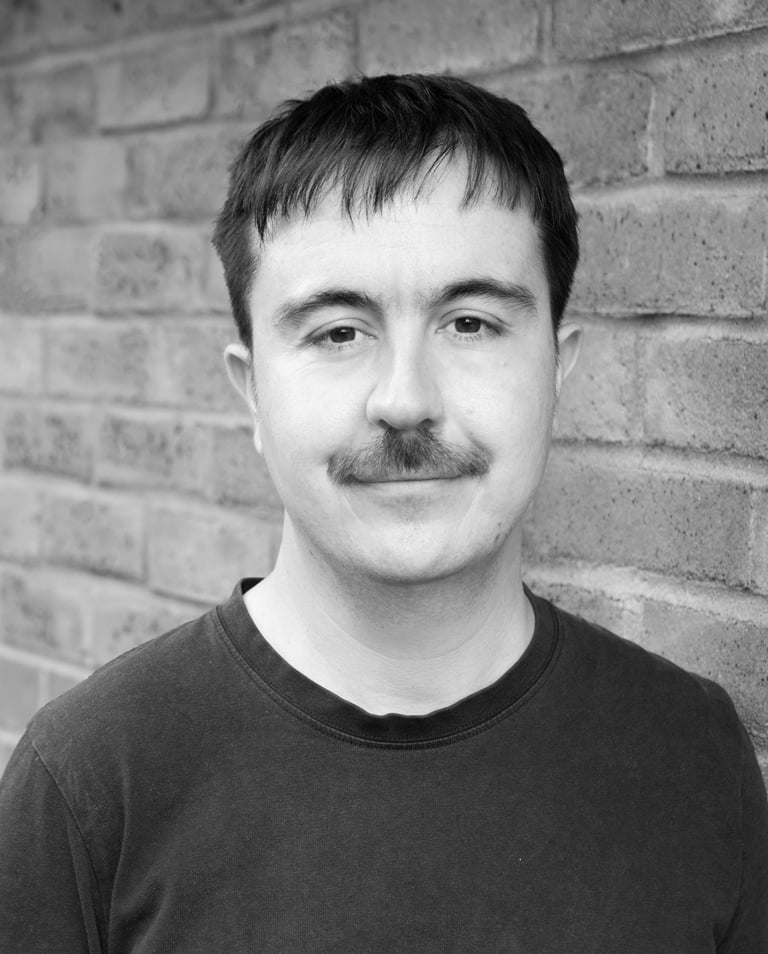

My pronouns are he/him
Start Your Therapy Journey Today
If you'd like an introductory session, please email me or message me using the details below or the contact form.
Phone
Location
231 Shoreditch High Street, E1 6PJ or Online
FAQs About LGBT-Friendly Therapy in London
What happens in sessions?
Each session is guided by what feels important to you. We might explore emotions, relationships, identity or anything else that feels present. My role is to listen and help you reflect, at a pace that feels manageable.
Do I need to be struggling to come to therapy?
Not necessarily. Some people come to therapy during difficult times, others simply want space to reflect, grow or deepen their self-understanding. There is no right or wrong reason to begin.
Is therapy confidential?
Yes. Everything we discuss remains confidential, creating a private space where you can speak freely and safely.
Do you offer online sessions?
Yes. Alongside in-person sessions in Hackney, East London, I also offer therapy online via secure video call. Some clients prefer to start online and move to in-person work later.
How long does therapy last?
There is no fixed length. Some people find a few months helpful, others choose to work longer term. We will review the process together and make decisions collaboratively.
How do I start?
You are welcome to arrange an introductory session. It is an opportunity to meet, ask questions and get a sense of whether working together feels right. There is no obligation to continue, simply an invitation to begin.
Qualified therapist based in Hackney, London
Online Therapy
© 2025 Andrew Tobert Therapy | Terms & Conditions | Privacy Policy